You may have heard a friend or an influencer mention it, but how much do you know about sourdough bread? Is it really bread, is it even edible, or is it just for decoration, what is it anyway?
If you’re a fellow baker, then you know what I’m talking about. But if it’s just a word you’ve heard floating somewhere in the time-space continuum, this article will give you some insights.
What is sourdough bread?
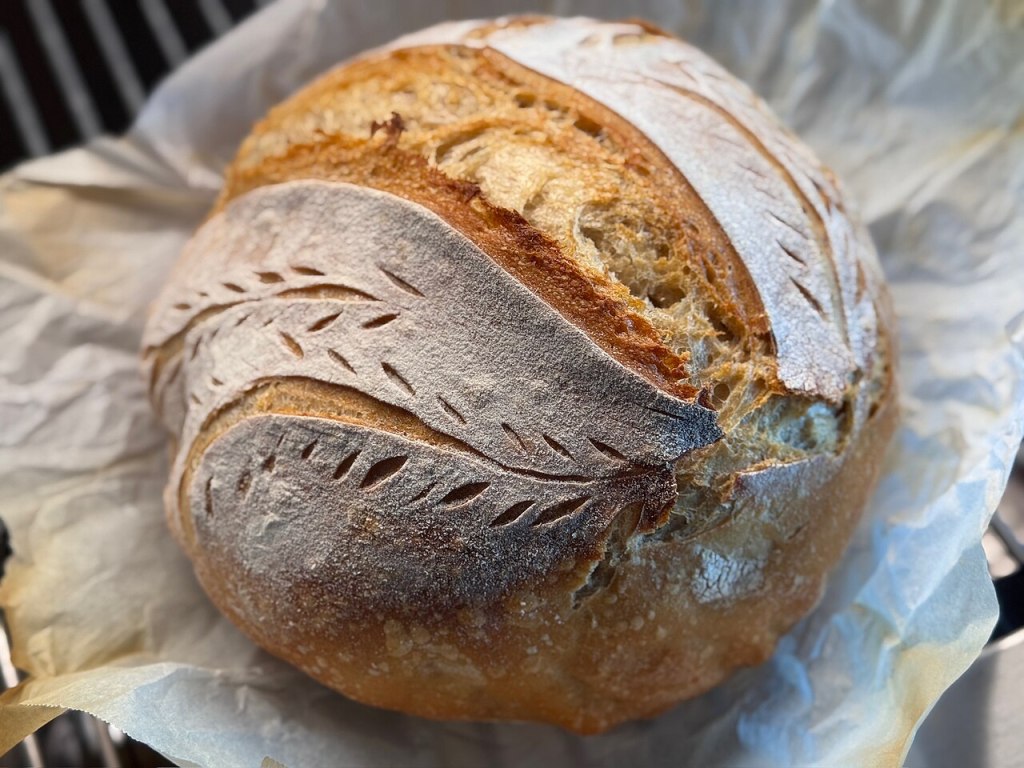
As a beginning, it is an actual type of bread and it is edible. Sourdough uses the fermentation of naturally occurring yeast, alongside lactobacillus bacteria to raise the dough.
Yeasts are single-celled microorganisms classified as members of the fungus kingdom, which first originated hundreds of millions of years ago. There are at least 1500 species of yeasts recognized today and they’re estimated to constitute 1% of all described fungal species.

Yeasts don’t require sunlight to grow – they use organic compounds as a source of energy, such as different types of sugars. They are very common in the environment and can be found on the skins of fruits and berries, as part of the gut flora of mammals and some insects, and even in the deep sea.
Fermentation of sugars by yeast has been used by mankind for thousands of years. Typical examples include baker’s yeast in bread making, brewer’s yeast in beer fermentation, and yeast for wine fermentation and for producing xylitol. The process of sugar fermentation also produces gases, such as carbon dioxide, which causes the dough to expand, making it lighter and easier to chew.
Sourdough is one of the most ancient types of bread and it was the standard method for most of human history. No one can say for sure when exactly bread making started, but the first recorded civilization to have made (sourdough) bread were the Egyptians, some 3500 years ago. There are many theories about how bread making was discovered, but the main one is that it happened by accident.
In the Middle Ages, sourdough was replaced by barm, also known as ale yeast, which is the foam formed on top of a fermenting liquid, such as beer or wine. In the late 19th and early 20th centuries, barm was replaced by industrially produced baker‘s yeast, which is widely used today.
Sourdough vs. baker’s yeast
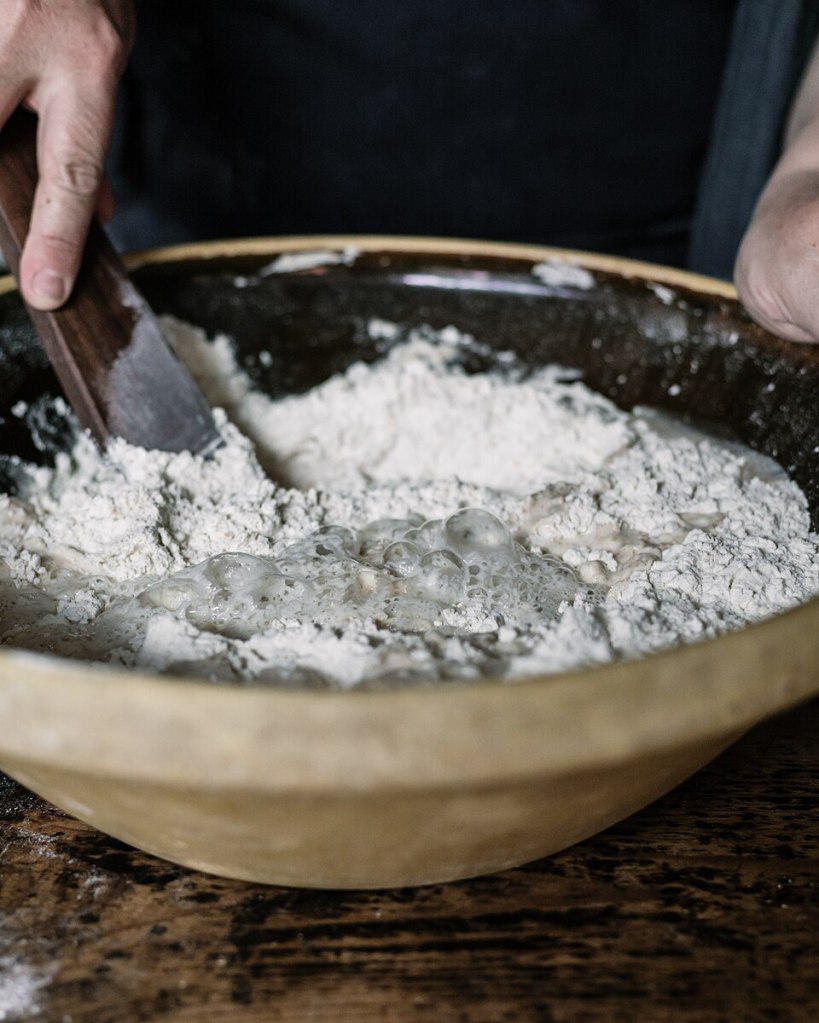
Flour naturally contains a variety of yeasts and bacteria. When it comes in contact with water, a chemical process occurs, breaking down the starch into glucose and maltose, which yeasts feed on. The periodic addition of more flour and water, called ‘refreshment’ or referred to as ‘feeding’, leads to a healthy and stable culture, which can go on for years.
In sourdough the yeasts exist naturally. And it’s a leaven that you can grow at home – all you need is a starter. The process of growing a starter can be a bit challenging and it takes over 7 days of daily attending to it, so it’s always easier if you can get some from a friend or a local bakery.
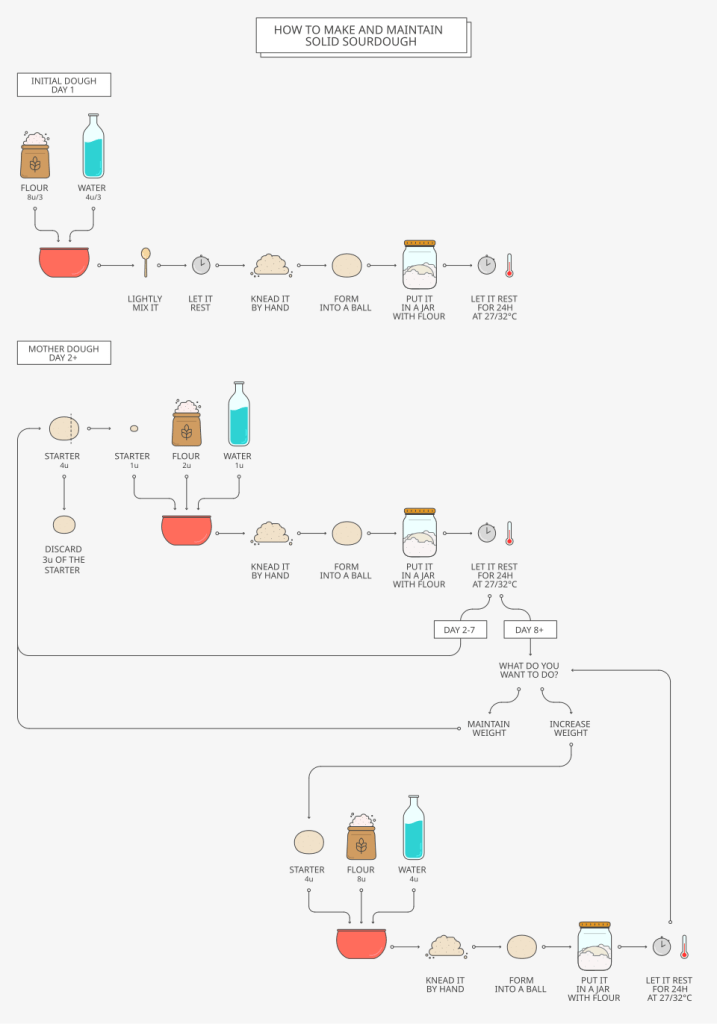
In my case, it was my cousin who got me into making sourdough bread and I got my first starter from her. And once you have a stable starter, you can easily store it in your fridge for up to 14 days before it would require refreshment. Many bakers use this practice, me included, and often call this starter mother sourdough. And at any time you want to make bread, you can simply take the needed portion off of it and feed it with water and flour into a new batch, which would be added to the dough. Like this the mother sourdough can go on for years and you can keep making sourdough bread all you want.
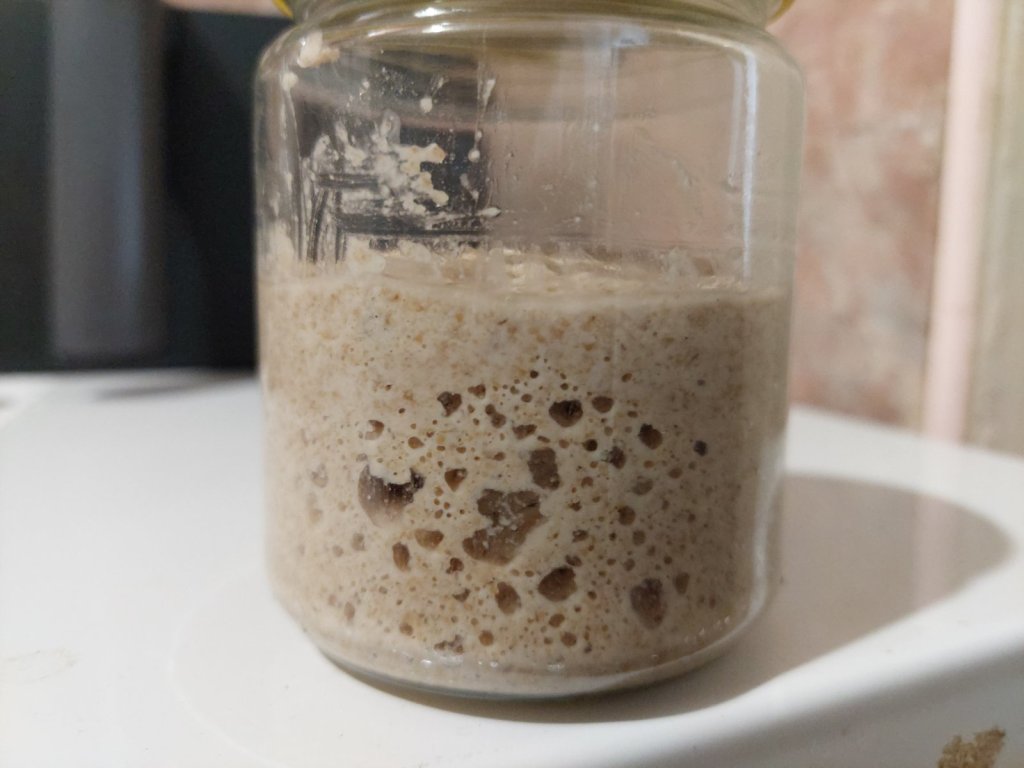
Except leavening the bread, the fermentation process also produces lactic acid, which gives the sourdough bread its distinctive sour taste (hence the name) and improves the storage properties of the bread.
Baker’s yeast, on the other hand, is industrially produced. Even though the process still begins with living yeast cultures, they are grown in laboratory conditions in giant tanks, often fed with molasses – a by-product of sugar refining. When the fermentation is complete, the yeast gets extracted using centrifugal force. It gets further processed into several different forms depending on the needs. The most common are compressed yeast, active dry yeast and instant yeast.
Compressed yeast is the closest to a natural leaven. It is most often sold in wrapped soft cubes, kept in low temperatures. Widely available for commercial use in the past, compressed yeast has lost a lot of its market share due to its limited storage properties.

Active dry yeast is, as the name says, dried yeast in the forms of granules or beads. They contain live yeast cells, wrapped in dry, dead cells with some growth medium. The active dry yeast needs to get rehydrated before it can be used. It has far better storage properties – it can be stored in room temperature for up to a year, or much longer if it gets frozen. This makes it much more commonly used than compressed yeast.
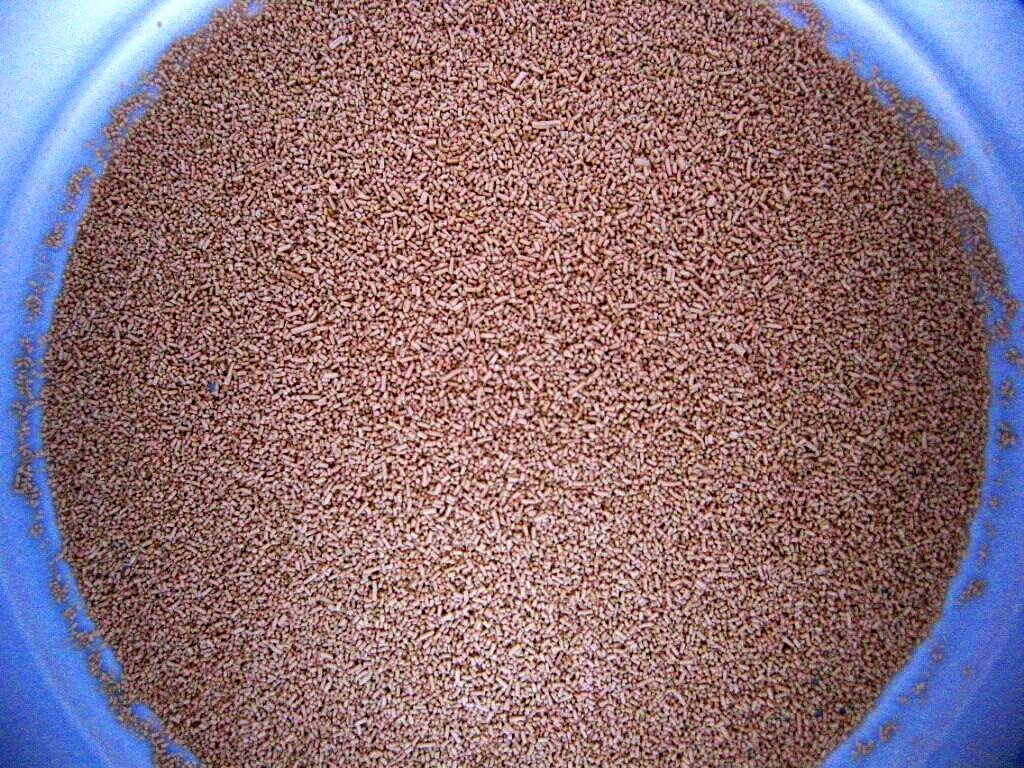
Instant yeast is similar to active dry yeast, but has smaller granules with a higher percentage of live cells in them. It has poorer storage properties, but it also doesn’t require preliminary rehydration, and can usually be added directly to most types of dough.
The process of making sourdough bread is much longer than bread with baker’s yeast. As already mentioned, you need to feed a portion taken from the starter with flour and water in order to activate a fresh yeast culture, which takes 4 to 12 hours. Then the kneading itself takes a few steps performed on average every 45 to 60 minutes. Finally, the dough is put in a fridge for cold leavening overnight, which takes at least 10-12 hours before the bread can be successfully baked.
The process of bread making with baker’s yeast takes altogether only a few hours to complete. You mix all of the ingredients, knead the dough, leave it to rise for a few hours, and it’s ready to be baked. Of course, every recipe for bread is unique on its own and can take more or less time, especially depending on the type of baker’s yeast used. But altogether, sourdough bread takes a lot more time and requires more attending, which is why baker’s yeast is preferred by many for making bread at home.
Advantages in consuming sourdough products
As a beginning, there are no official medical conclusions stating the healthy benefits of sourdough. However, some aspects can be pointed.
To make sourdough bread you need only 4 ingredients – flour, water, sourdough culture, and salt. Simple as that! Of course, every recipe is different and you could always add more ingredients, but in its basis only the abovementioned 4 are enough. The sourdough culture is preliminary taken from the starter and fed 4 to 12 hours before leavening, so you have a fresh living yeast culture in your bread! This can also improve the taste qualities.
When using baker’s yeast you have to add sugar and fat, as well, which makes the bread less healthy. This is required in order to feed the yeasts. Also, those yeasts are laboratory born and dried before getting to your dough, so there is industrial processing included, as well.
To people with IBS (Irritated Bowel Syndrome) sourdough can be beneficial in reducing the symptoms of bloating and abdominal pain after consuming bread products. I have a friend who I got into sourdough baking, and she still tells me to this day how I changed her life. No bloating, no bowel irritations. Now she happily eats bread and other sourdough goods completely carefree. She makes all sorts of snacks for her daughter and everyone is enjoying the delicious sourdough products!
Growing your own starter can also be beneficial to your mental health. Practically, it is a process of growing and attending a living thing, just like pets and plants. Besides, there are many sourdough communities, where you could connect with other fellow bakers. Giving and getting advice, exchanging vital information, or just chatting to someone with the same interests as you is always a great way to let off steam. Personally for me, baking (not just sourdough bread, but baking in general) sooths my noisy brain and relaxes me a lot. Perhaps it could help you find mental balance, as well?
While it is not recommended to eat too much bread in general, consuming sourdough bread has its benefits, compared to consuming bread with baker’s yeast, even if it is home prepared. But another important factor is the type of flours used. Wholegrain usually are the better choice. They’re rich in nutrients and are higher in fiber. They contain more vitamins, such as B group and vitamin E, promote digestive health, and can increase satiety.
In the end, everyone is free to make their own choices of what kind of bread they’ll consume or whether they’ll consume bread at all. For me, making sourdough bread is a very special process with many benefits, including mental and social. <3
Till the next time!
Lina Dimitrova
30/11/2025







 Rings of Saturn Blog